The 2026 Playbook of Events, Experiences and How We Socialize
Why Intention Matters More Than Attendance Numbers
As a movie lover (and previous child actress), I recently watched an interview from James Cameron conducted by Toronto Sun after the release of last year’s Avatar: Fire and Ash.
He mentioned how predicted blockbuster hits struggle to gather an audience with the evolution of streaming and how people experience Cinema. People are selective of which movies they choose to experience in the theater. Usually movies that have a level of fictional magic that is noticeably elevated when experienced in a cushioned chair, popcorn in hand, and the visualization capacity of HD technology.
“Something special happens in the theater ... some people say it’s the group experience ... that’s not what I think it really is. I think it’s you don’t have a remote, you can’t pause it.”
With that, movie-watchers will select on average 2-3 movies annually that they will watch in cinema versus waiting to watch when the movie hits streaming services.
Why am I talking about movies when this article is about events? My ideas around the evolution of events are very similar to how James Cameron explains the movie market.
More Events. More Saturation. Less Intimate Connection.
“The global events industry, valued at $1.1 trillion in 2018, is projected to skyrocket to $2.33 trillion by 2026, boasting a robust annual growth rate of 10.3%.”
Part of this story is that there is an oversaturation of events to compensate for the demand for community. The loneliness epidemic, stemming from the pandemic, has created a culture crisis of solutions creating more issues than remedies.
For that reason, if you look at your calendar and have 2 nights available to attend events, but have 10 to choose from, events are competing to become one of your choices. Therefore, events are seeing a higher level of attrition by attendees. This creates an organic high demand for attractive and memorable experiences to be competitive especially for companies with ELG Initiatives (Event-Led Growth Models).
So what trends summarize the story around what works regarding ROI driven events and experiences in 2026?
Networking < Experiences > Events
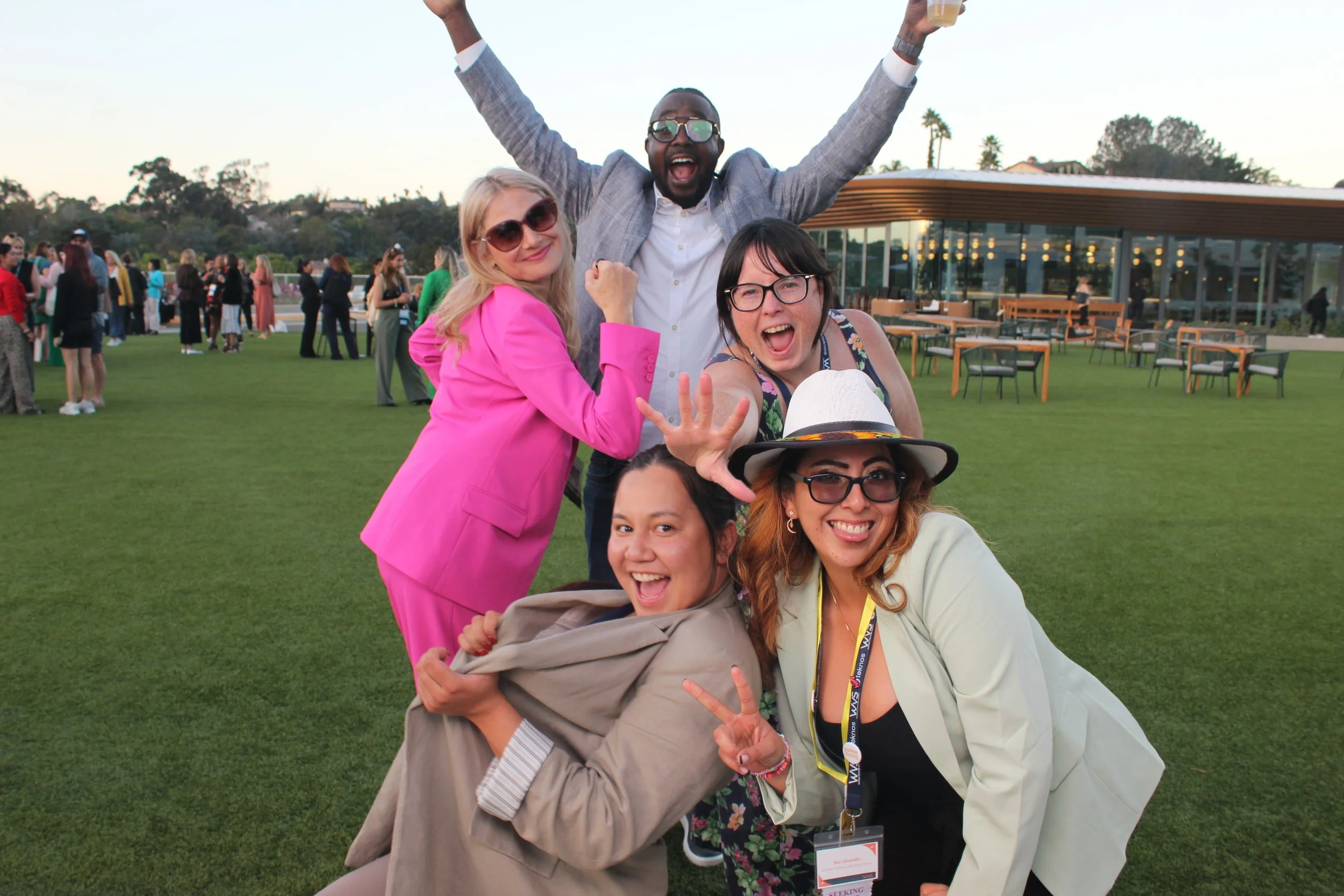
Post-conference party at Torrey View in San Diego
Beyond the traditional formula of venue, caterer, speaker, stage, and name tags, the audience demands an experience that motivates them to leave the house and interact beyond general networking.
The hierarchy has fundamentally shifted. Networking, once the primary draw of professional gatherings, now sits at the bottom of the value proposition. It's no longer enough to promise "networking opportunities" when LinkedIn and countless digital platforms offer connections on demand. There’s the fallacy that relationships can be completely built online, but with deep intention and the right personality, it can. Fact of the matter is, greater connection demands psychological connections to physical body, space and face-to-face conversations.
Experiences have risen to the top because they offer something digital interactions cannot replicate: shared moments that create emotional resonance and lasting memory.
Consider the difference between a standard networking mixer with awkward small talk and a collaborative cooking class where attendees work in teams to prepare dishes, followed by a family-style meal. Both technically offer networking, but only one creates the conditions for authentic connection through shared experience.
This experiential shift manifests across the events landscape—tech conferences incorporating maker spaces, marketing summits replacing panels with interactive workshops, and corporate events embracing activities that give people something to do with their hands and a natural reason to interact.
Events designed as experiences generate higher engagement, stronger post-event sentiment, more organic social sharing, and deeper business outcomes. Attendees who feel they've gained something beyond information become not just contacts but advocates, more likely to attend future events and convert from attendees to customers or partners.
Intimacy is the new luxury. Intension is the new currency.
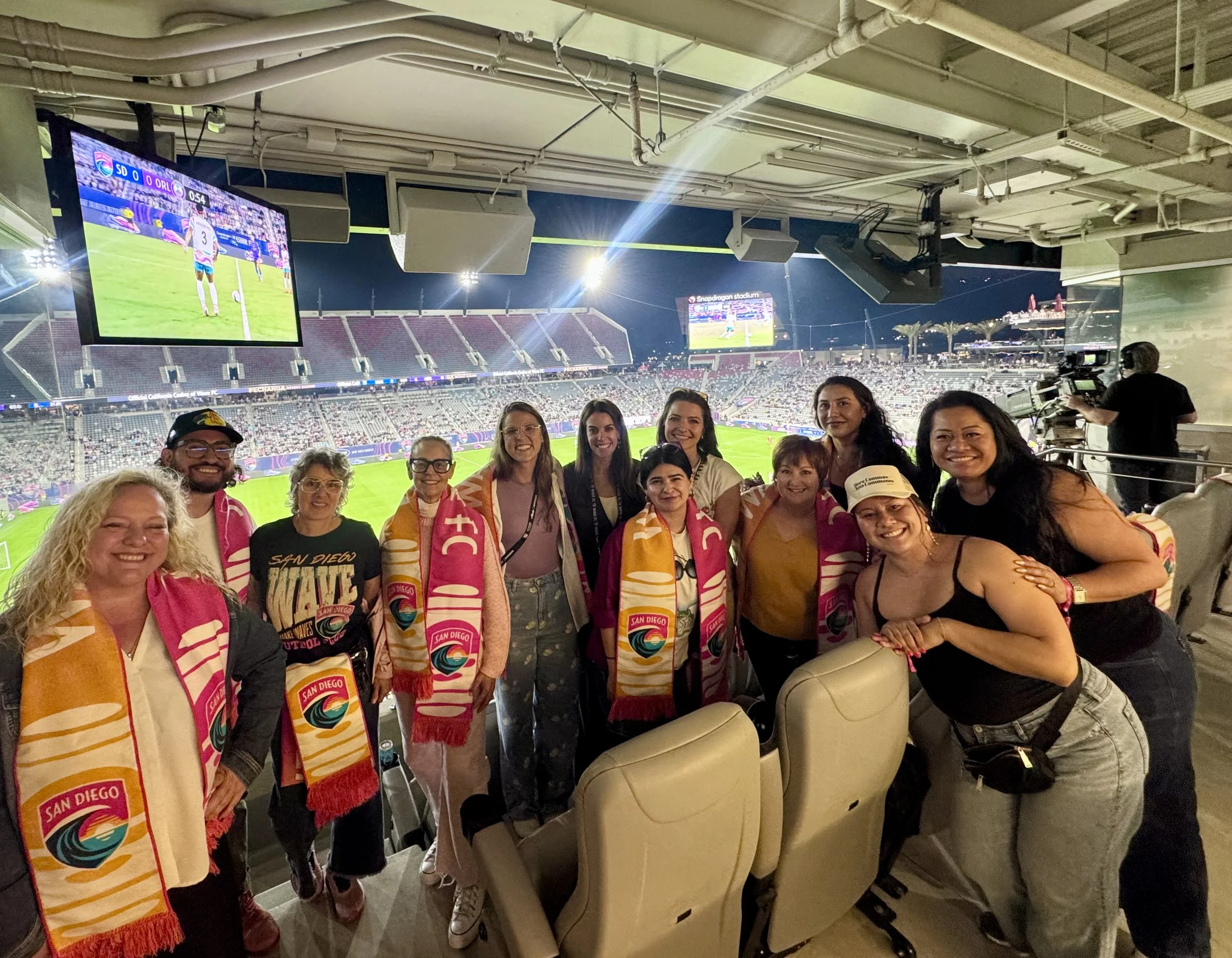
Inviting sponsors, board members, and team leaders to the San Diego Wave FC game thanks to the San Diego Wave executive team!
Just as moviegoers carefully curate which films deserve their theater experience, today's professionals are becoming increasingly selective about which events merit their precious time and attention.
The era of attendance for attendance's sake is over.
In 2026, the question isn't "How many people can we get in the room?" but rather "How deeply can we connect the right people?"
This shift reflects a fundamental recalibration of values in our post-pandemic world. Intimacy has emerged as the ultimate luxury in an oversaturated social landscape. Attendees are no longer impressed by scale alone; they're seeking gatherings where they can form genuine connections, engage in meaningful dialogue, and leave feeling truly seen and valued. The 500-person conference with superficial interactions holds less appeal than a thoughtfully curated gathering of 30 individuals with aligned interests and complementary expertise.
Intention has become the currency that determines an event's worth. Attendees can immediately sense whether an event was designed with purpose or simply assembled from a template. They're asking: Why was I invited? What type of vendors are you utilizing? Are you utilizing socially aware talent? How does this gathering respect my time and energy? Events that answer these questions with clarity and authenticity are winning the competition for calendars and attention.
The Rise of Salons and Microevents. Depth over Breadth.
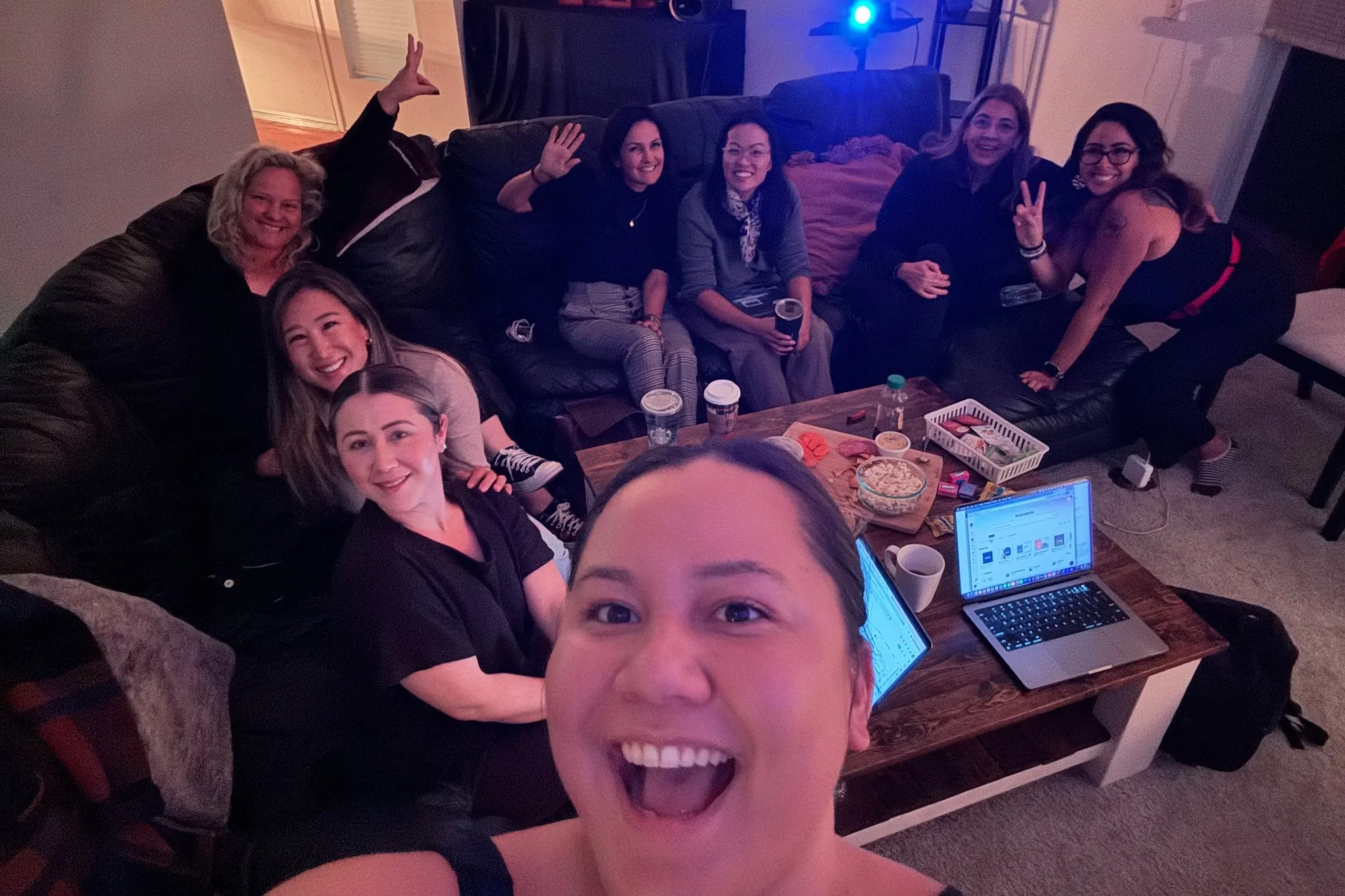
Living room settings opens up comfortable and intimate settings for deeper conversations.
This evolution in what people value has given birth to a renaissance of intimate gathering formats, most notably the modern “salon” and microevent.
Drawing inspiration from the intellectual salons of 18th century Paris, today's versions create curated spaces for deep conversation in familiar spaces such as living-rooms, backyards, and home-like settings. Leading to a cross-pollination of ideas, and relationship building that extends far beyond the event itself.
Microevents, typically hosting between 8 and 50 carefully selected participants, are outperforming their large-scale counterparts in both engagement metrics and qualitative feedback. These gatherings prioritize depth over breadth, creating environments where every attendee can contribute meaningfully to the conversation rather than passively consuming content from a distant stage.
The format varies widely but shares common threads: thoughtful curation of guest lists, facilitated discussions rather than one-way presentations, atmospheric settings that encourage openness, and a focus on fostering ongoing relationships rather than transactional networking.
Whether it's a dinner series bringing together founders and investors, a workshop exploring the intersection of technology and creativity, or a roundtable addressing industry challenges, these intimate formats deliver the connection and value that attendees increasingly demand.
For organizations embracing Event-Led Growth strategies, this represents both a challenge and an opportunity. While microevents require more intentional design and can't scale attendance numbers in traditional ways, they generate deeper engagement, stronger brand affinity, and more meaningful business outcomes. The ROI calculation shifts from quantity of leads to quality of relationships, from breadth of reach to depth of impact.
Closing Thoughts
This year, I plan to experiment often and evaluate more. How do you create the intimacy of close friendships with a room of professionals and strangers. Think about your inner circle; the group of people you see often at events who become your safe corner. How did those individuals cross the threshold from strangers to peers to friends?
The events landscape of 2026 isn't about doing more—it's about digging deeper. As the industry continues its explosive growth trajectory, the winners will be those who recognize that in a world of infinite options, the scarcest resources are attention, trust, and genuine human connection. Creating experiences that honor these realities isn't just good strategy; it's the only strategy that truly works.